November 25, 2026
Planning a Coastal Remodel in Orange County: A Homeowner's Guide
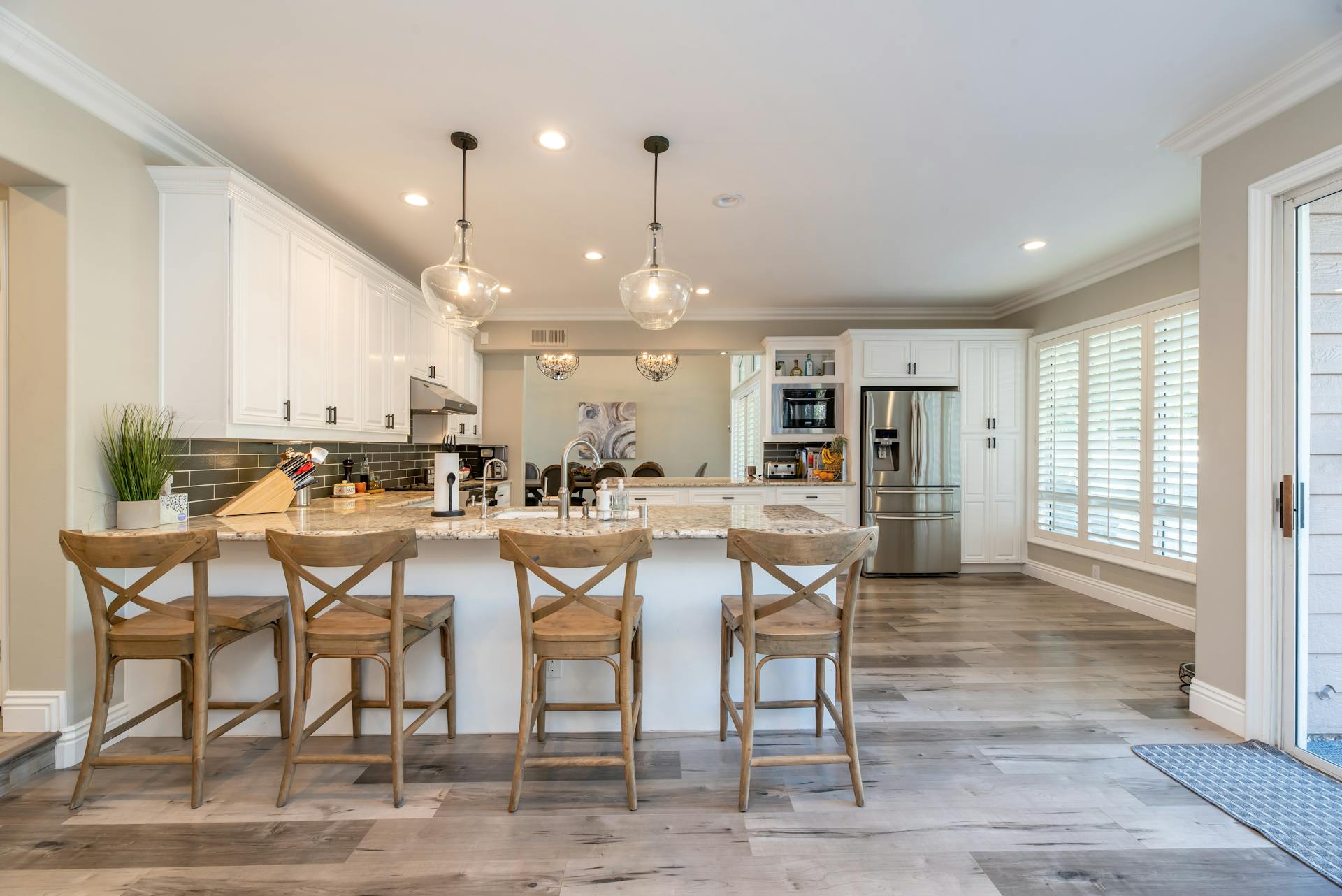
A great remodel in coastal Orange County starts long before anyone picks up a hammer. Homes in Newport Beach, Laguna Beach, Corona del Mar and the communities around them live with salt air, marine fog, tight lots and active neighbors. They also carry high expectations for design. When a project goes well, it is usually because the homeowner and the builder made a handful of smart decisions early. This guide walks through those decisions, from setting goals to choosing materials that hold up near the water.
It is tempting to begin with tile samples and fixture catalogs. The better starting point is a plain list of what is not working. Maybe the kitchen is closed off from the living area. Maybe the primary bath feels dated, or the home turns its back on a view or a patio. Write down how you use each space today and how you want to use it in five or ten years.
That list becomes the brief for your design team. It helps separate the must-haves from the nice-to-haves, and it keeps the project from growing room by room without a plan. Many of the most satisfying coastal remodels are not the biggest ones. They are the ones that open a home to light and air, improve the flow between inside and outside, and make every room earn its square footage.
Homeowners often finish a full set of plans and only then ask a contractor for a price. That order can lead to an unpleasant surprise when the number comes back well above the budget. Involving your general contractor during design gives you real-world cost feedback while changes are still cheap to make on paper.
A builder can flag structural issues, suggest simpler ways to reach the same look, and point out where a design choice will add weeks to the schedule. Whether you work with an architect and designer of your choice or use a design-build approach, the goal is the same: one coordinated team that shares your priorities from the first sketch to the final walkthrough.
A realistic remodel budget covers more than cabinets and countertops. Before you commit, make sure your plan accounts for:
Ask any contractor you interview to explain what their price includes and what it leaves out. A clear, itemized scope is worth more than a low number with vague allowances.
Most remodels that touch structure, plumbing, electrical or mechanical systems need a building permit from your city. Coastal communities can add another layer. Depending on where your home sits and what you plan to change, a project may need coastal review in addition to standard plan check. Homeowners associations in many Newport Beach and Laguna Beach neighborhoods also have their own architectural review and work-hour rules.
Requirements differ from city to city and even from street to street, so the safest approach is to confirm them with your city's building and planning departments before design is final. An experienced contractor will help you map out the approvals your project needs and build that review time into the schedule, so you are not waiting on paperwork after the crew is ready to start.
Living near the ocean is wonderful for people and hard on buildings. Moist, salty air speeds up corrosion and weathering, especially on exteriors and anything metal. Choosing the right materials up front can save you from replacing them a few years down the road.
Premium materials can cost more up front. Near the coast, they often cost less over the life of the home.
Coastal Orange County's mild weather is one of the best reasons to remodel. Opening a kitchen or great room to a patio, adding a covered outdoor living area, or framing a harbor or canyon view can change how a home feels every day. These projects often involve structural changes, like new beams to support wider openings, so plan them with your builder and engineer early rather than adding them midway through construction.
A single bathroom and a whole-home renovation are very different projects, and the schedule depends on scope, design, permitting, material lead times and what is found once walls are opened. Ask for a written schedule that shows each phase: design, permitting, ordering, demolition, rough-in, inspections, finishes and punch list. Then agree on how and how often you will get updates. Regular site meetings and a single point of contact go a long way toward keeping a project calm and on track.
The end of construction should feel organized, not rushed. Before final payment, walk the home with your builder and create a punch list of items to finish or adjust. Ask for warranty information, product manuals, and a record of your finish selections and paint colors so future touch-ups are easy. Coastal homes also benefit from simple routine maintenance, like rinsing exterior metals, checking sealants and servicing doors and windows, to keep everything looking and working its best.
Skye Construction (THNC Industries, Inc. dba Skye Construction) is a licensed California general contractor, CSLB Class B General Building Contractor License #1068435, offering construction, remodeling and restoration throughout Orange County, including Newport Beach and Laguna Beach. If you are thinking about a kitchen, bath, addition or whole-home remodel, we would be glad to talk through your goals, budget and timeline.
Contact us to start the conversation, call (949) 432-4095, or email info@skye1.com. Our office is at 1302 E Hunter Ave #C, Santa Ana, CA 92705.
